The article explores Tai Chi and brain connectivity, arguing that Chen-style training’s changes of tempo, spiraling movement and coordinated power may challenge attention, body awareness and emotional regulation differently from uniformly slow practice.
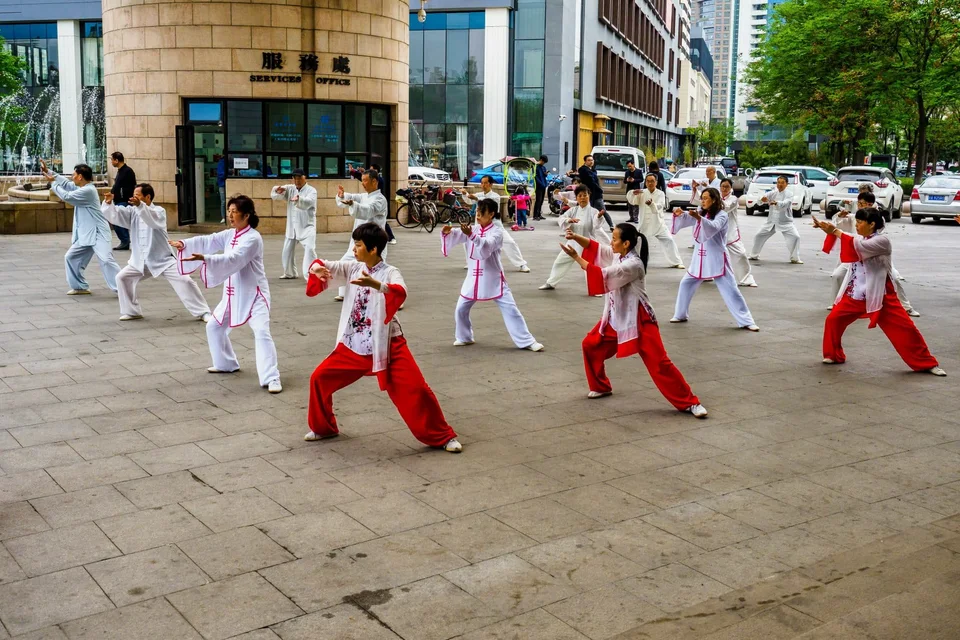
Tai Chi combines deliberate movement, relaxation, rooting, spiral mechanics and focused intention. This introduction explains its martial origins, whole-body approach and the physical and mental benefits discussed in the article.
Strength is more than pushing harder. Drawing on Tai Chi silk-reeling, the article describes rooting, connection and well-timed release as ways to move—and approach everyday challenges—with continuity rather than disconnected effort.
Gratitude can grow from presence and connection rather than possessions. This Shaolin reflection draws on Buddhist contentment and Daoist balance, offering simple practices for silence, mindful eating, generosity and letting go during Thanksgiving.
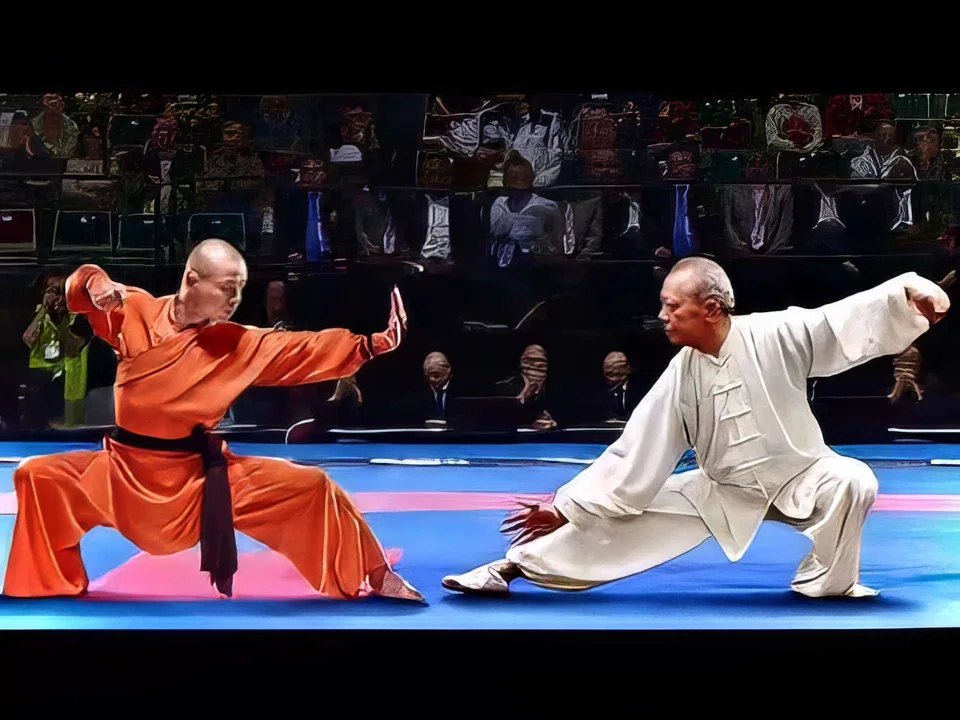
Shaolin Kung Fu emphasizes dynamic movement, physical challenge and self-defense training; Tai Chi emphasizes deliberate movement, balance and mindful practice. Consider your goals and preferred training experience, and explore both: the arts can complement one another.
The article discusses Tai Chi as a complementary practice for people with Parkinson’s, focusing on balance, mobility, strength, emotional well-being and social connection. It emphasizes qualified guidance and notes that practice does not replace medical treatment.
This article surveys traditional herbal liniments used in martial arts, including Dit Da Jow, White Tiger and five element-associated formulas. It describes their historical training roles and cautions that they are not instant solutions or suitable for open wounds.
Master Workman explains Combat Tai Chi through a partner demonstration: softness needs structure, rooting and practical application. The lesson contrasts flowing movement alone with training to redirect, respond and apply Tai Chi principles under pressure.