Each year, Thanksgiving invites us to pause and reflect on gratitude. But in our culture of abundance and ambition, gratitude often becomes entangled with consumption — a feast, a checklist, a performance of plenty.
Buddhist and Daoist philosophy offer a different lens — one that invites us to cultivate gratitude not through grasping at what we have, but through releasing our attachment to what we think we need.
The Stillness Before the Feast
In Daoism, all things arise from wu ji — the great stillness, the uncarved block, the moment before motion. Before there was “thanks” or “giving,” there was simply being.
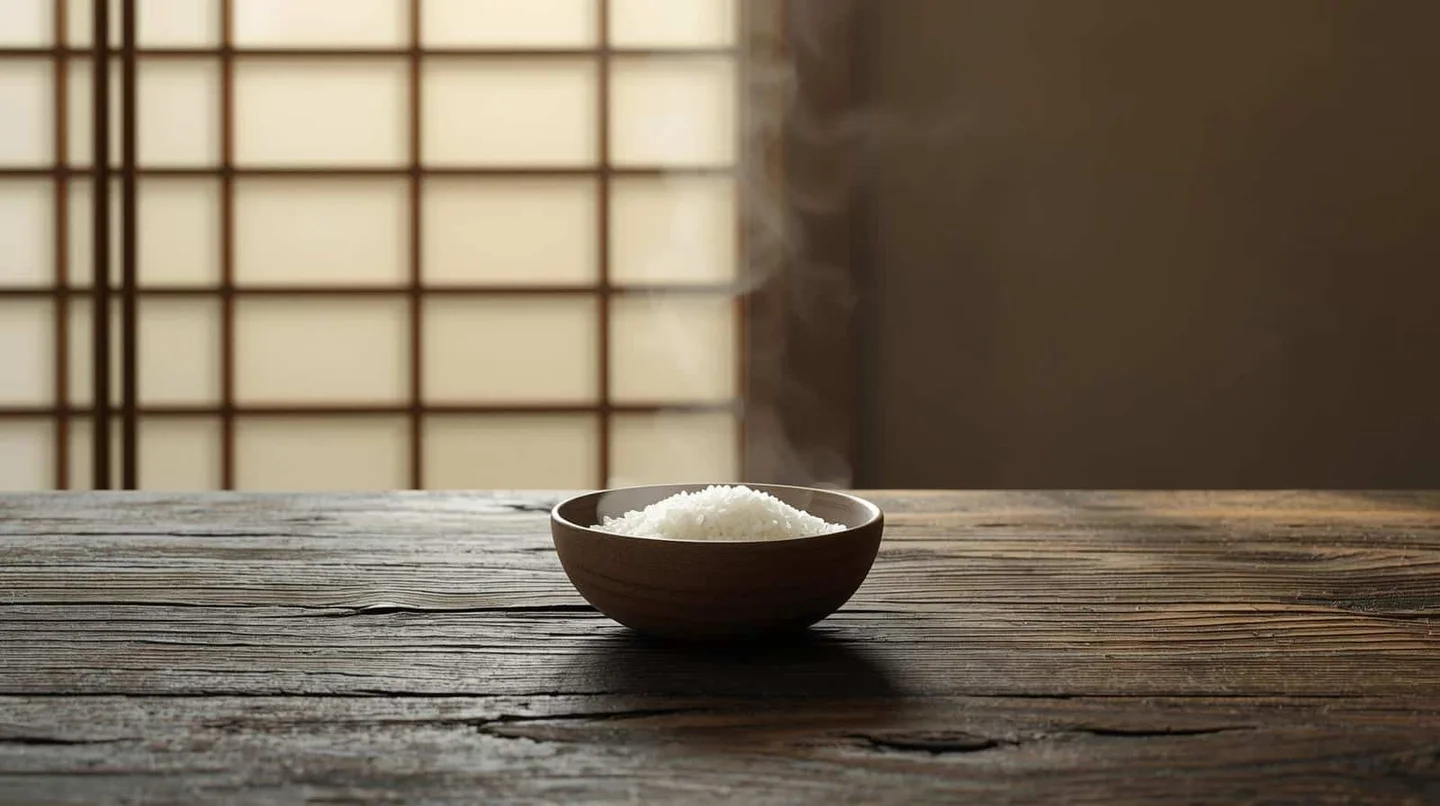
Approaching Thanksgiving through this lens means beginning not with a table full of food or a list of blessings, but with quiet awareness: breath slowing, mind settling, heart softening.
When we sit in stillness before the feast, we remember that gratitude does not depend on what fills the table — it grows from what fills the moment.
“To the mind that is still, the whole universe surrenders.”
— Laozi
The Buddhist View: Enoughness
Buddhism teaches the practice of santosa — contentment.
This is not the complacency of “settling,” but the wisdom of recognizing sufficiency. The Buddha spoke of craving (tanha) as the root of suffering. Thanksgiving, then, becomes a spiritual training ground: can we enjoy abundance without feeding attachment?
Try this practice during your meal:
As you eat, silently name the chain of interconnection that brought each dish to your plate — the rain, the soil, the farmer, the truck driver, the cook, the hands that serve, and the mouths that will eat. Let gratitude expand beyond ownership into relationship.
When we see the web, not the sum of our possessions, gratitude becomes humility — not pride in what is “ours,” but awe at how deeply we belong to everything else.
The Daoist Balance: Feast and Flow
Daoism doesn’t deny pleasure. It celebrates the flow between fullness and emptiness — the dance of yin and yang.
To enjoy a feast is natural; to cling to it is imbalance.
When you fill your plate, fill it mindfully. When you are satisfied, stop. When you rise from the table, help clean. These are not moral rules but energetic harmonies: giving and receiving, rising and falling, expanding and returning.
The moment you give thanks, exhale. The moment you share, inhale. This is the Dao of gratitude — not static virtue, but living balance.
A Practice for Thanksgiving Day
This simple reflection brings Shaolin mindfulness into your holiday:
-
Begin the morning with silence.
Before turning on the news or cooking, take five slow breaths. Feel the ground beneath your feet. -
Honor the unseen.
As you prepare or eat, acknowledge those whose labor and love made this meal possible — even those you’ll never meet. -
Eat with awareness.
Notice textures, smells, and flavors. Be fully present. -
Offer something back.
It could be a kind word, a call to someone alone, or simply washing dishes with presence. -
End with letting go.
Release expectations that the day must be perfect. Gratitude lives not in perfection, but in peace.
The Heart of the Shaolin Path
At its essence, Shaolin training is the art of presence — balancing stillness and movement, strength and softness, emptiness and fullness.
Thanksgiving can be the same: a practice in harmony.
Instead of measuring our lives by how much we have, we can measure by how fully we receive. Not through possession, but participation — not through taking, but through being.
This year, may your gratitude be vast and quiet.
May your table be full, your heart at ease, and your spirit in balance with the Dao.