Parkinson’s disease (PD) is a progressive neurological disorder affecting movement, balance, and coordination, often accompanied by tremors and rigidity. While there is no cure for Parkinson’s, studies suggest that regular participation in Tai Chi—a centuries-old Chinese martial art and meditative practice—can significantly slow its progression and improve the quality of life for those affected.
The Science Behind Tai Chi and Parkinson’s
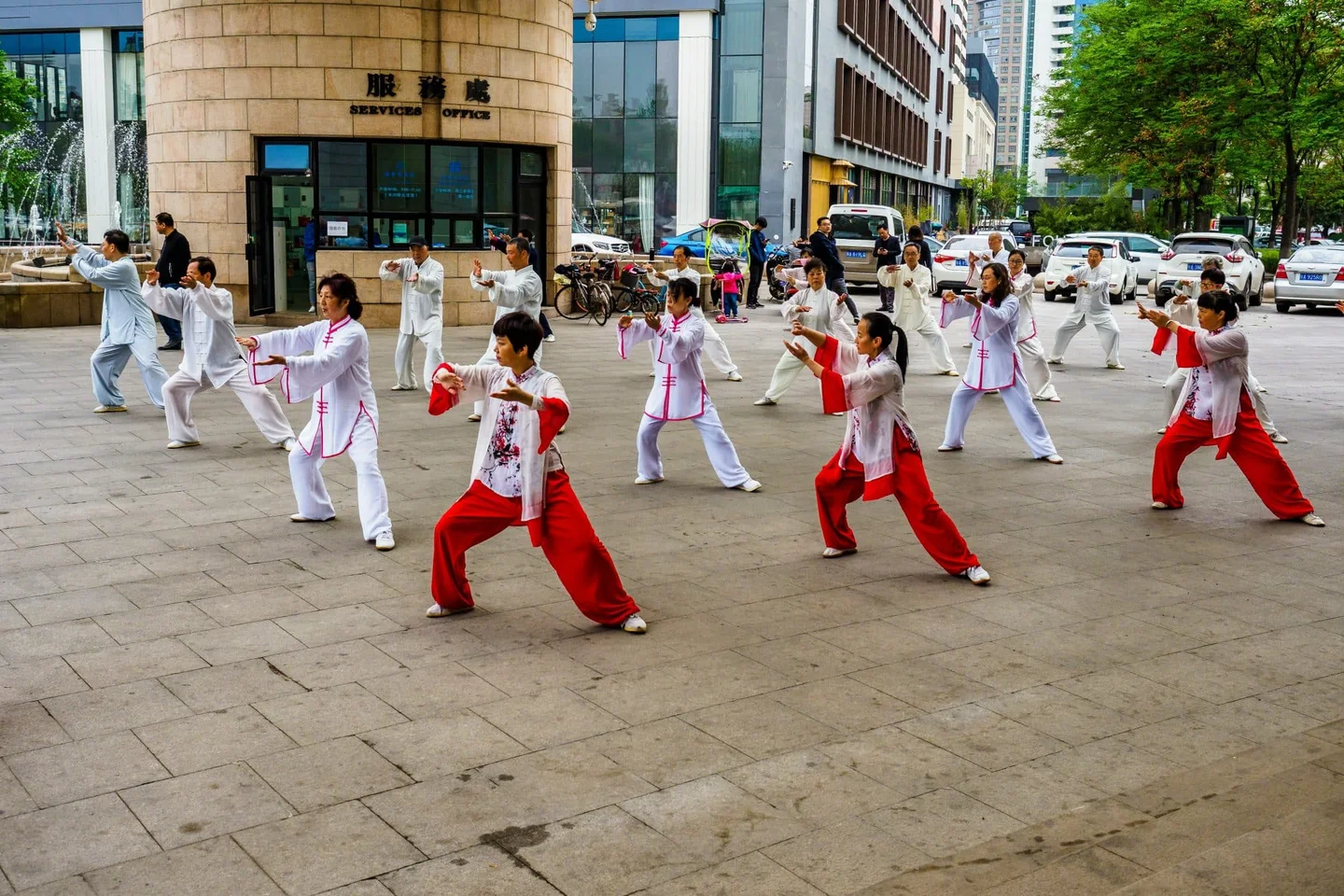
Tai Chi emphasizes slow, deliberate movements, balance, and controlled breathing. This combination directly addresses some of the core challenges faced by individuals with Parkinson’s. Research published in the New England Journal of Medicine highlights that Tai Chi can improve balance, reduce falls, and enhance functional mobility for individuals with PD (NEJM). The low-impact, flowing movements stimulate neuromuscular function, providing a safe and effective means of exercise.
Additionally, Tai Chi promotes neuroplasticity—the brain’s ability to adapt and reorganize itself. Studies indicate that regular practice can strengthen neural pathways, potentially mitigating the motor symptoms of Parkinson’s (Medical News Today).
Physical Benefits
-
Improved Balance and Stability: Parkinson’s often causes postural instability, making falls a significant risk. Tai Chi may help improve balance and reduce falls in people with Parkinson’s disease (NIH/NCCIH).
-
Enhanced Flexibility and Range of Motion: The gentle, stretching movements of Tai Chi help combat the stiffness and rigidity associated with PD (Just Breathe Tai Chi).
-
Reduction in Tremors: Although Tai Chi cannot eliminate tremors, it can improve control over voluntary movements, making daily tasks easier (A4 Fitness).
-
Increased Strength: The slow, deliberate weight shifts in Tai Chi improve muscle strength without overexerting, making it accessible for people of varying fitness levels (Active Spine NC).
Mental and Emotional Benefits
Living with Parkinson’s can take a toll on mental health. Anxiety and depression are common among patients. Tai Chi’s meditative qualities promote relaxation, reduce stress, and improve overall emotional well-being. Regular practice can also foster a sense of accomplishment and empowerment, countering feelings of helplessness.
Social Benefits: Building a Supportive Community
One of the most significant, yet often overlooked, benefits of Tai Chi is the sense of community it fosters. For individuals with Parkinson’s, participating in Tai Chi classes provides an opportunity to connect with others facing similar challenges. These shared experiences promote camaraderie and mutual encouragement, reducing feelings of isolation that often accompany chronic illness. The group setting also adds an element of accountability, motivating participants to stay consistent with their practice. Such social interactions are vital in improving overall emotional well-being and maintaining a positive outlook on life.
How to Get Started
For individuals with Parkinson’s, it is important to begin Tai Chi under the guidance of a qualified instructor who understands the unique challenges of the disease. Many community centers and health organizations offer Tai Chi programs tailored to older adults and those with mobility concerns.
Conclusion
Tai Chi offers a promising, holistic approach to managing Parkinson’s disease. While it is not a replacement for medical treatment, it complements traditional therapies by addressing both physical and emotional challenges. For those living with Parkinson’s, Tai Chi is more than just an exercise—it’s a path to reclaiming balance, strength, and peace of mind.
By integrating Tai Chi into their routines, individuals with Parkinson’s can take an active role in managing their condition and improving their quality of life. It is a testament to the power of ancient practices in addressing modern health challenges.