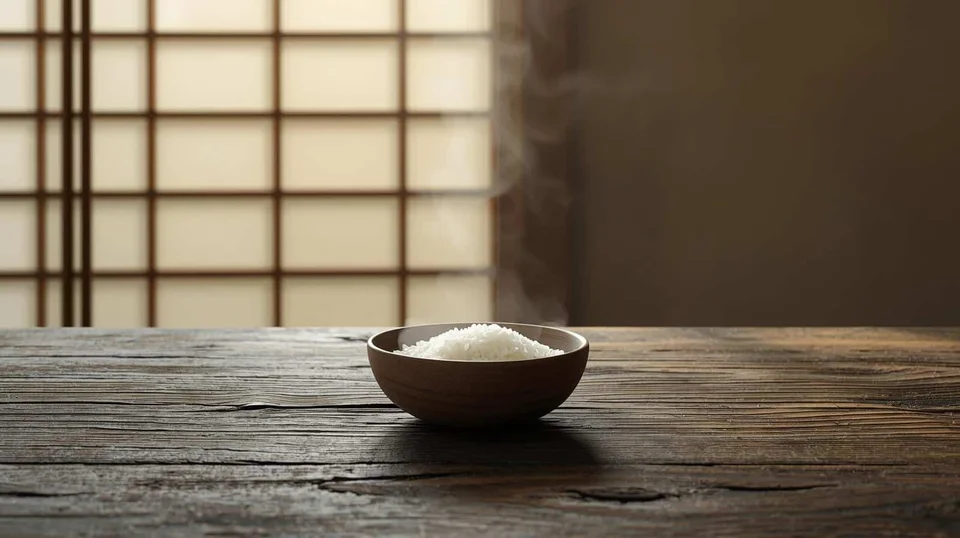
Gratitude can grow from presence and connection rather than possessions. This Shaolin reflection draws on Buddhist contentment and Daoist balance, offering simple practices for silence, mindful eating, generosity and letting go during Thanksgiving.
Traditional Kung Fu offers more than exercise: it carries a living teaching lineage, sustained practice and the martial virtues of Wu De. The article explains why direct transmission, discipline and character remain relevant in modern life.
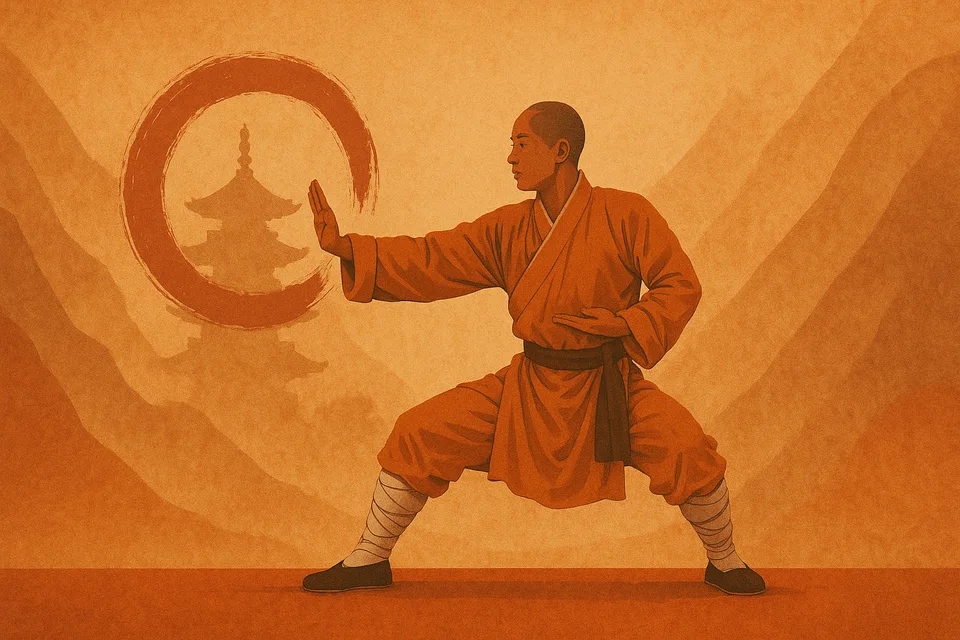
Shaolin Kung Fu emphasizes dynamic movement, physical challenge and self-defense training; Tai Chi emphasizes deliberate movement, balance and mindful practice. Consider your goals and preferred training experience, and explore both: the arts can complement one another.
This article explores eight reasons women may choose Kung Fu, including self-defense skills, confidence, physical and mental strength, independence, community and personal growth. It presents training as a continuing practice of empowerment.
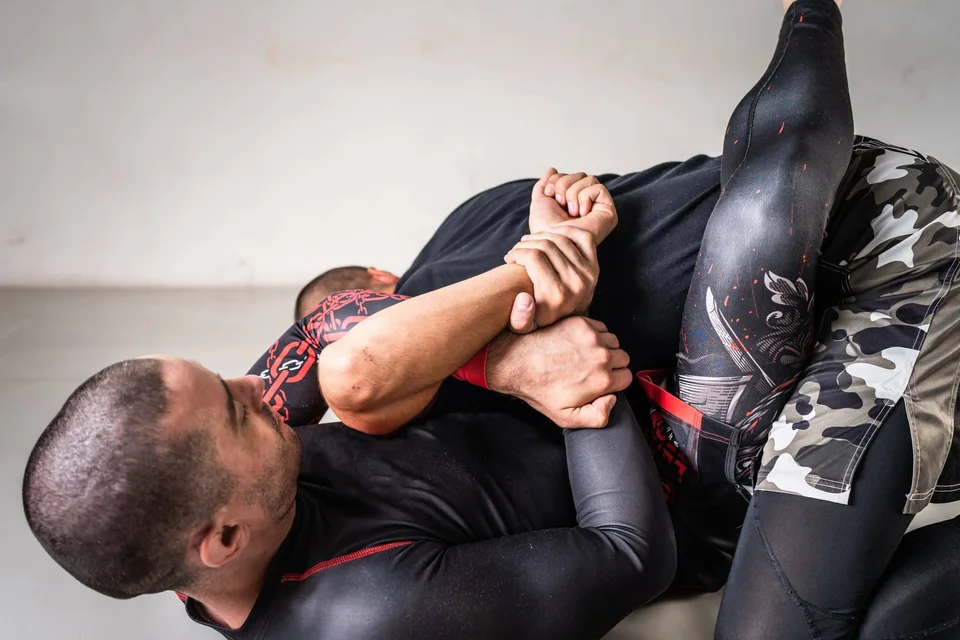
The article argues for remaining mobile and standing in self-defense situations, examining risks from multiple attackers, hard surfaces, weapons and restricted escape routes. It contrasts that approach with ground-focused grappling and explains Shaolin Kung Fu’s emphasis on awareness and movement.
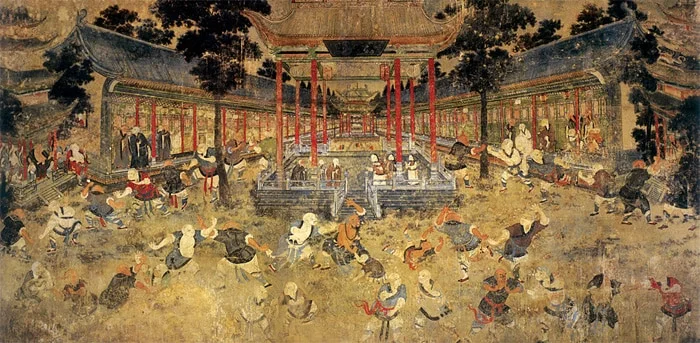
Kung Fu’s origins reflect many influences rather than one simple founding story. This article explores Bodhidharma legends, Shaolin and other traditions, cultural exchange, Chinese philosophy, traditional medicine and the development of regional styles.
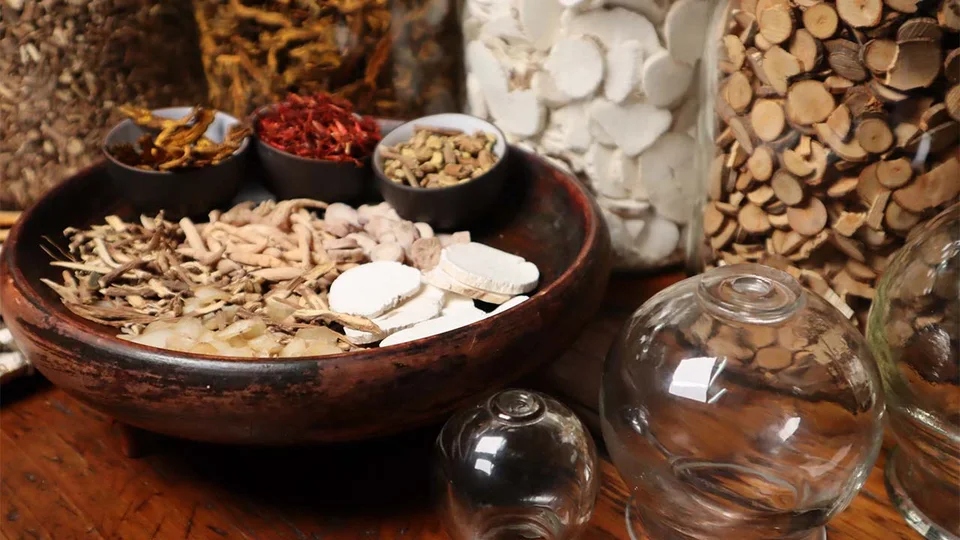
This article surveys traditional herbal liniments used in martial arts, including Dit Da Jow, White Tiger and five element-associated formulas. It describes their historical training roles and cautions that they are not instant solutions or suitable for open wounds.